

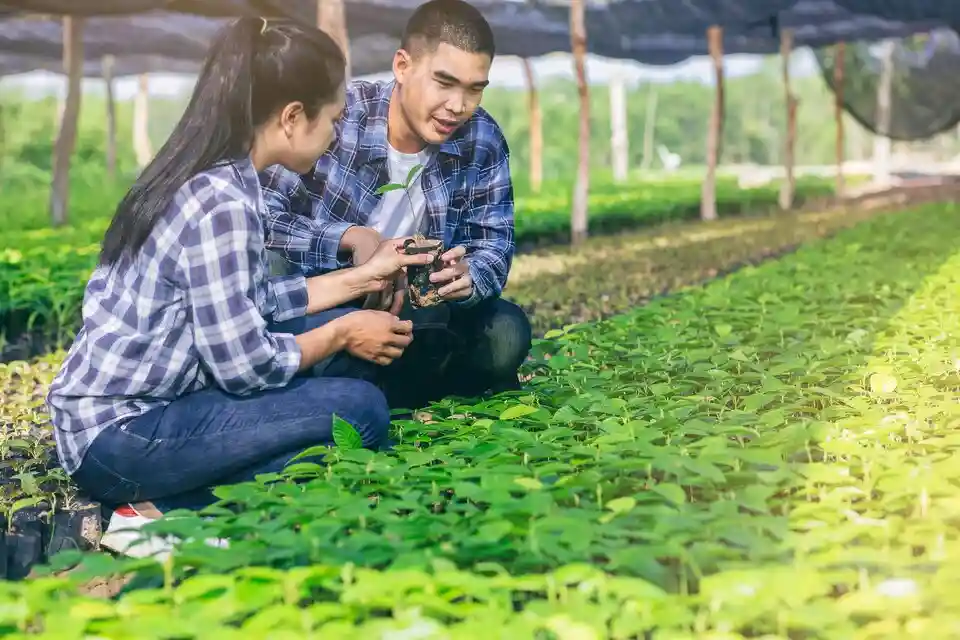
Sustainable farming practices play a crucial role in promoting environmental conservation by minimizing negative impacts on natural resources, ecosystems, and biodiversity while ensuring the long-term viability of agricultural systems. In this blog post, we will explore how sustainable farming practices contribute to environmental conservation and the benefits they offer for preserving our planet’s delicate ecosystems.
Soil Health and Conservation
Sustainable farming practices prioritize soil health and conservation, recognizing soil as a valuable natural resource essential for agricultural productivity and ecosystem resilience. Practices such as minimal tillage, cover cropping, crop rotation, and organic amendments help improve soil structure, increase organic matter content, enhance water retention, and reduce erosion. Healthy soils support diverse microbial communities, promote nutrient cycling, and contribute to carbon sequestration, mitigating climate change and enhancing ecosystem health.
Water Management and Conservation
Water management is a key aspect of sustainable farming practices, as water scarcity and pollution pose significant challenges to agricultural sustainability and ecosystem health. Sustainable irrigation techniques such as drip irrigation, precision irrigation, and rainwater harvesting help optimize water use efficiency, minimize water waste, and reduce the environmental impact of agricultural water usage. Additionally, practices such as buffer strips, riparian zone restoration, and wetland conservation help protect water quality, minimize nutrient runoff, and preserve aquatic habitats and biodiversity.
Biodiversity Conservation
Sustainable farming practices promote biodiversity conservation by preserving and enhancing natural habitats, fostering habitat diversity, and protecting native plant and animal species. Agroecological approaches such as agroforestry, intercropping, and polyculture promote biodiversity by mimicking natural ecosystems, providing habitat for beneficial insects, birds, and pollinators, and enhancing ecosystem services such as pest control, pollination, and soil fertility. Maintaining biodiversity in agricultural landscapes contributes to ecosystem resilience, food security, and the preservation of genetic diversity in crop and livestock species.
Agroecosystem Resilience
Sustainable farming practices enhance agroecosystem resilience by promoting ecological diversity, reducing reliance on external inputs, and building adaptive capacity to withstand environmental stressors such as climate change, pests, and diseases. Diverse cropping systems, integrated pest management (IPM), and crop rotation help reduce the risk of crop failures, enhance pest and disease resilience, and promote natural pest control mechanisms, reducing the need for chemical pesticides and fertilizers. By fostering resilient agroecosystems, sustainable farming practices contribute to long-term food security, economic stability, and environmental sustainability.
Carbon Sequestration and Climate Mitigation
Sustainable farming practices contribute to climate change mitigation by sequestering carbon dioxide from the atmosphere and reducing greenhouse gas emissions associated with agricultural activities. Practices such as agroforestry, cover cropping, and conservation tillage enhance carbon sequestration in soils and vegetation, mitigating climate change and enhancing soil fertility and productivity. Additionally, sustainable livestock management practices such as rotational grazing, silvopasture, and manure management help reduce methane emissions from livestock, contributing to climate change mitigation efforts.
Wildlife Habitat Preservation
Sustainable farming practices preserve and enhance wildlife habitat by protecting natural ecosystems, maintaining wildlife corridors, and implementing wildlife-friendly farming practices. Conservation measures such as hedgerows, field margins, and wildlife corridors provide habitat for native wildlife species, including birds, mammals, and amphibians, enhancing biodiversity and ecosystem resilience. By integrating wildlife habitat preservation into agricultural landscapes, sustainable farming practices contribute to landscape connectivity, biodiversity conservation, and ecosystem services.
Reduced Chemical Inputs and Pollution
Sustainable farming practices minimize chemical inputs and pollution by reducing reliance on synthetic pesticides, fertilizers, and herbicides, which can have adverse effects on human health, biodiversity, and water quality. Integrated pest management (IPM), organic farming methods, and biological control agents help manage pests and diseases while minimizing chemical inputs and preserving beneficial insects, soil organisms, and aquatic habitats. Additionally, practices such as precision agriculture, nutrient management planning, and agroecological approaches reduce nutrient runoff and pesticide drift, protecting water quality and aquatic ecosystems from pollution.
Economic Viability and Social Equity
Sustainable farming practices promote economic viability and social equity by enhancing the resilience and profitability of agricultural systems while ensuring fair and equitable access to resources and opportunities for farmers and rural communities. Agroecological approaches such as diversified cropping systems, direct marketing channels, and value-added enterprises provide economic opportunities for small-scale farmers, reduce dependence on external inputs, and strengthen local food systems. By promoting economic viability and social equity, sustainable farming practices contribute to rural development, poverty alleviation, and social well-being.
Conclusion
In conclusion, sustainable farming practices play a vital role in environmental conservation by promoting soil health and conservation, water management and conservation, biodiversity conservation, agroecosystem resilience, carbon sequestration and climate mitigation, wildlife habitat preservation, reduced chemical inputs and pollution, and economic viability and social equity. By adopting sustainable farming practices, farmers can contribute to the preservation of our planet’s natural resources, ecosystems, and biodiversity while ensuring the long-term viability and resilience of agricultural systems for future generations.